How to Talk to Your Boss About Causal MMM
If you’re gearing up to propose a Causal MMM, then that probably means your current MMM isn’t cutting it, and you’re ready to make the case for something better.
Jul 7, 2026

If you’re gearing up to propose a Causal MMM, then that probably means your current MMM isn’t cutting it, and you’re ready to make the case for something better.
The writing has been on the wall. Traditional correlation-based MMMs haven’t kept up with your business.
- Models that update every six months, long after the budget decisions they were supposed to inform have already been made.
- Outputs are built on correlation, so you're always a little unsure if the channel that looks like your top performer actually is your top performer.
- Recommendations delivered at a level of aggregation that doesn't map to how your team actually plans, so MMM readouts become a “maybe next time we’ll try that” conversation.
Causal MMM fixes all three.
- It refreshes on a weekly cadence that keeps pace with real decisions.
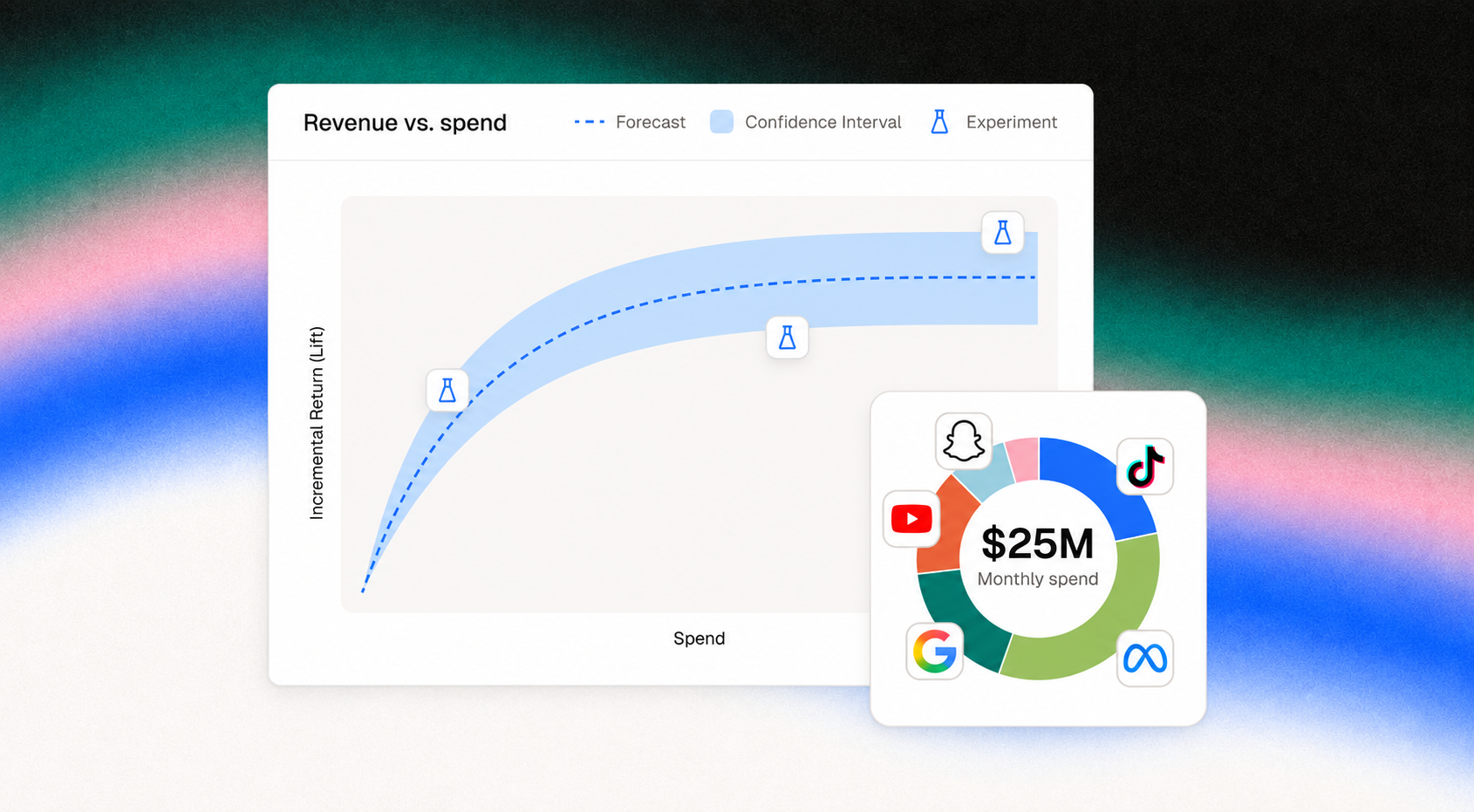
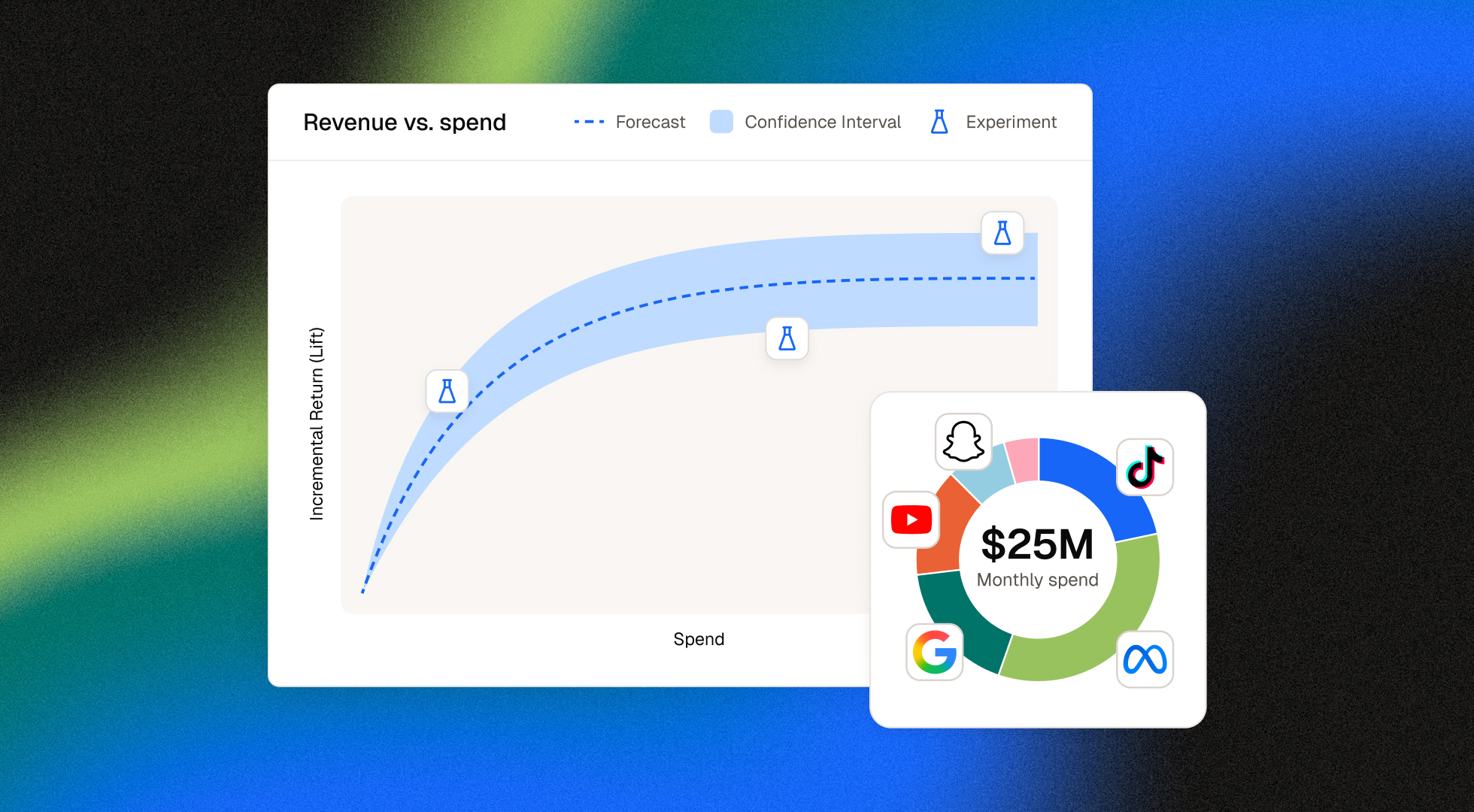
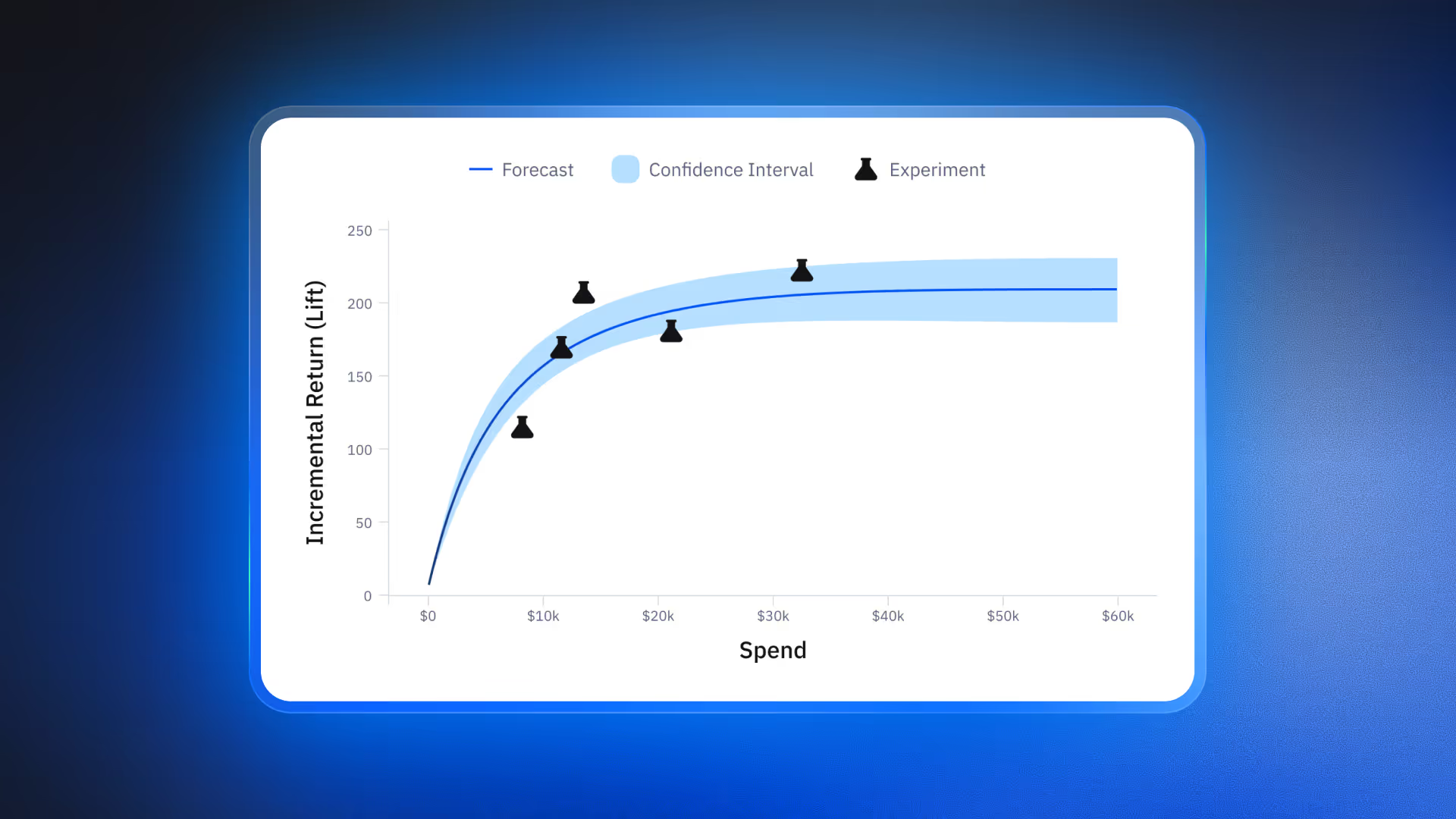
- It grounds results in actual experiments rather than historical patterns, so the numbers are defensible rather than directional.
- Recommendations are usable out of the box because the model structure is built around how teams actually make decisions.
The hard part isn't deciding that Causal MMM is better. It's convincing the person who signs the budget to make the switch. That's what this guide is for.
Lead with the problem that’s frustrating your boss
The most common mistake analysts make when pitching Causal MMM is remembering that their boss needs to be able to repeat the importance of the change to c-suite executives. It’s easy to front-load the “how.” How the model works. How it’s different from what we have. How the experimental design creates a cleaner signal. All of that may be true, but none of that will be the reason your boss prioritizes this change.
Tie your intro to a specific business problem. Uncertainty heading into Q4 planning. A channel that’s been funded on a hunch. A finance team asking questions that don’t have answers. An economic phase that is posing a risk to the business.
“During an economic period when most companies' MERs were declining, we were able to put the right measurement in place that reallocated spend towards the most effective areas. Our CPMs and MER improved by 30% when most companies were going through the opposite.” — Aaron Zagha, Chief Marketing Officer, Newton Baby
Opening with a concrete problem like “We’ve been running the same Meta budget for three quarters without being able to tell whether it’s actually driving incremental revenue” means the solution you’re about to provide is connected to something they own, and you’re asking for the infrastructure to answer those questions.
Translate the methodology into budget language
If the conversation moves into methodology, the goal is to connect technical details to outcomes they care about. Here’s how to translate:
The objections you’ll hear and how to answer them
Every exec conversation about methodology change runs through a similar gauntlet. The good news is the objections are predictable enough that you can walk in with answers already prepared.
“We already have an MMM.”
This is the one you’ll hear most. To answer without dismissing the solution that they’ve already invested in, acknowledge the existing model and explain why the company has outgrown it.
“Our current MMM is useful for understanding historical patterns. As our budgets have grown and channel mix has diversified, the risk of making a mistake is more costly. When we only had a few channels, we could intuitively get to the bottom of multicollinearity and have a good sense of the ranking of the few channels we were running. But now, with a much more sophisticated mix of channels, multicolinearity isn’t a risk we can manage with intuition. We need causal signal for each channel to accurate separate and understand the impact of each.”
“How is this different from what the platforms already give us?”
Platform-reported results aren’t coming from unbiased, independent sources. They’re grading their own homework.
“Platform attribution gives us a useful directional signal. However, when conversion results are taken from each individual ad platform, they often don’t add up to our business reality and each CAPI often over-claims gains. Platform-level signals come with their own issues like tracking user-level exposure and actions and we don’t get any signal that tells us the cross-channel impact on changing budget. That’s the question driving our reallocation decisions — and it’s the one Causal MMM is designed to answer.
“This sounds complicated to implement.”
Vague answers to this objection create more anxiety than they resolve. Get specific. Walk through what data inputs already exist in your stack, what a typical time-to-first-model-output looks like, and whether this replaces or augments existing tooling. If you can anchor the conversation to a decision that’s already coming up — a Q4 budget review, a new channel you’re planning to test — the urgency becomes real instead of hypothetical.
“We’re going to make a significant reallocation call in October. I’d like to be able to make it with better data than we currently have. With a Causal MMM, especially one that is integrated with an Experiment program, we can onboard KPIs and ad spend in a matter of hours. We can include a new test to sharpen our signal in the same day that the data is final. A new MMM model can be run and available within a day. It allows us to make better, faster decisions.”
What it looks like when it works
When Causal MMM gets real organizational buy-in, the dynamics around media investment change. A shared definition of success moves every team forward. Finance and marketing stop arguing about whose numbers are right and start working from the same model. Budget reallocation moves from gut feel and political negotiation to scenario planning with defensible outputs. Channels that looked marginal get properly tested and turn out to be high-leverage — and channels that looked like winners get caught before overspending.
At StockX, finance’s view of marketing shifted, in their own words, from cost center to growth engine.
“From a finance lens, Haus is a pretty easy pitch. We are not just there to say ‘no’ or manage a budget. We are working together to make smarter investment decisions — and now we have the right data to do it.” — Ellyn Riebau, Senior Director of Marketing Finance, StockX
That’s what’s actually on offer when you walk into the room. Not a measurement methodology. A more intelligent way to deploy the company’s largest discretionary expense, with the evidence to back it up.


.jpg)

.png)









.avif)
.avif)

.avif)
.avif)

.avif)
.avif)
.avif)


.avif)


.avif)


.avif)
.avif)
.avif)
.avif)
.png)
.png)
.avif)


.avif)
.avif)
.avif)
.avif)
.avif)
.avif)

.avif)

.avif)

.avif)

.avif)
.avif)
.avif)
.avif)
.avif)


.avif)
.avif)

.avif)
.avif)

.avif)
.avif)
.avif)

.avif)

.avif)
.avif)
.avif)
.avif)

.avif)


.avif)
.avif)



.avif)
.avif)
.avif)

.avif)
.avif)
.avif)
.avif)
.avif)
.avif)