The Cyber Week Incrementality Report: How CTV, YouTube, and Paid Social Drive ROI
We analyzed over a hundred incrementality tests before, during, and after BFCM 2025 and uncovered dramatic delayed conversion effects.
Dec 11, 2025
.png)
Background
For many consumers, Black Friday Cyber Monday (BFCM, for the uninitiated) is basically the Super Bowl of shopping. For brands, this means that the period before, during, and after BFCM – also called the “Cyber 5” – is a critical time for paid media. Brands are asking questions like:
- How can we get in front of the right consumers at the right time?
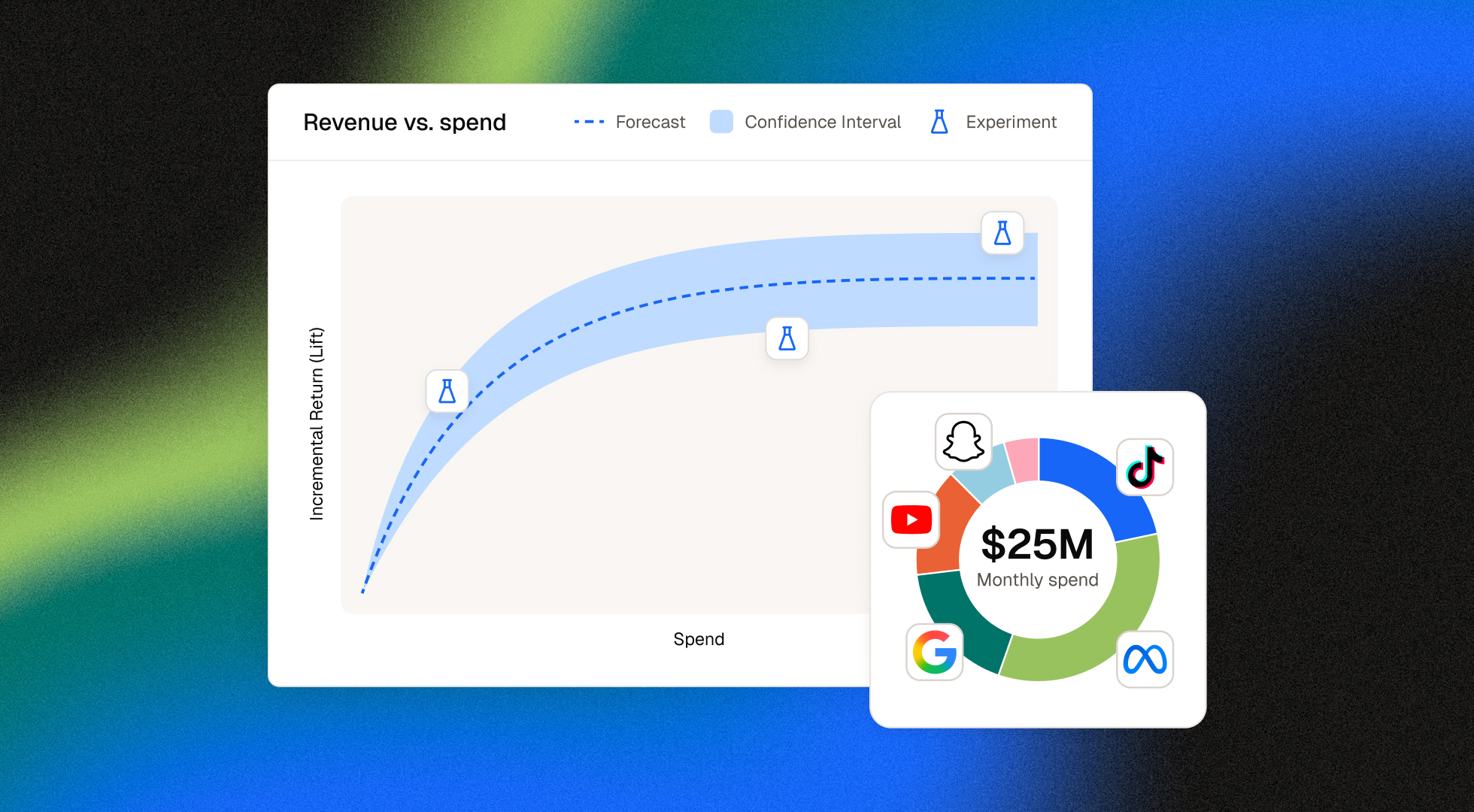
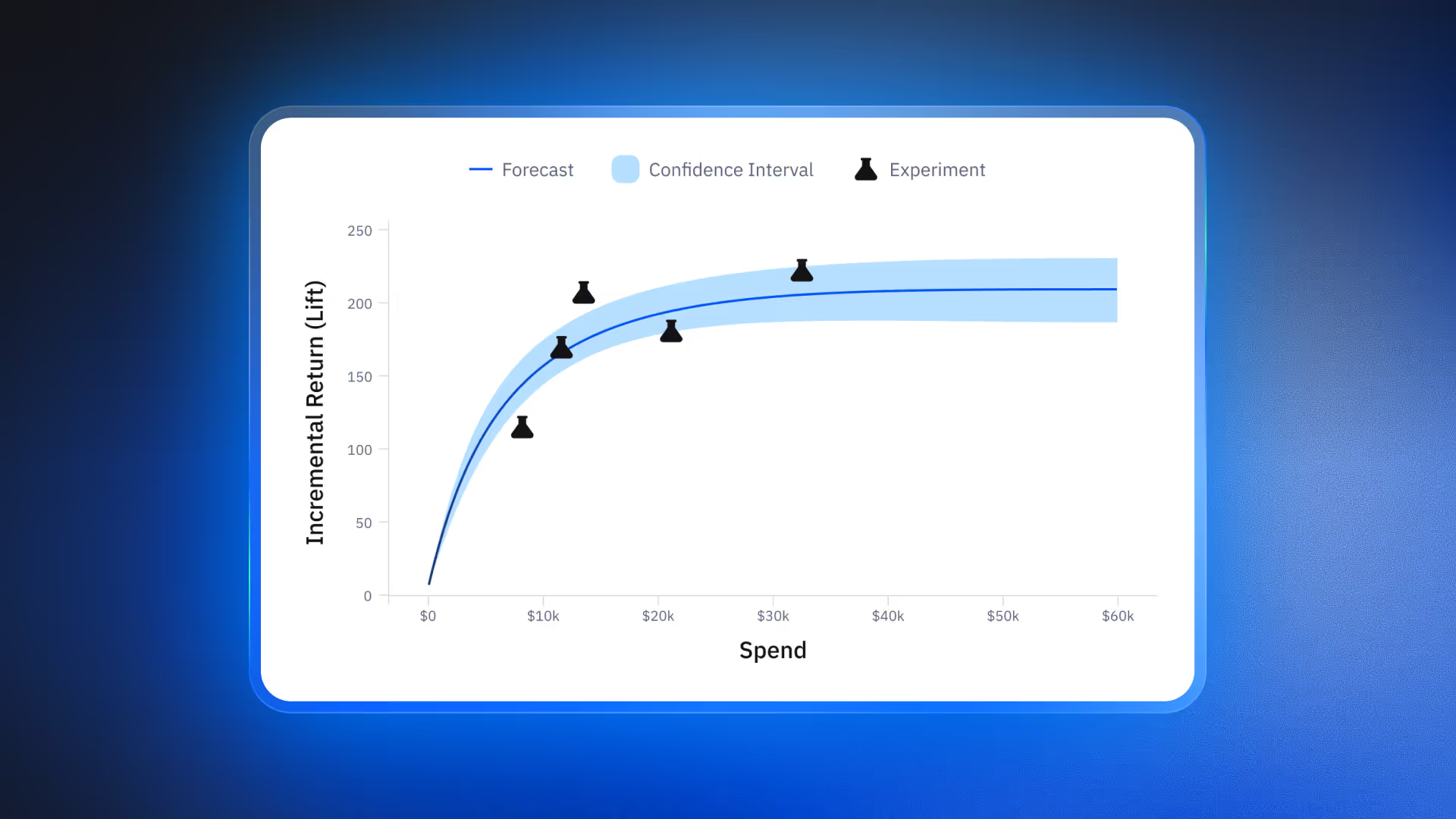
- How much spend is too much or little? Where’s the point of diminishing returns?
- Would consumers have purchased anyway, without the marketing?
- How do we measure the delayed lift from our pre-BFCM advertising?
All great questions. We work with brands day in and day out and decided to pull together a little flash analysis to share some of the most interesting findings we’ve observed from the brands running tests during this time. Save this report for next year – you’re going to want it in your back pocket when you start planning BFCM campaigns next August.
About the data
- We analyzed hundreds of Haus experiments conducted throughout the Q4 2025 BFCM/Cyber 5 window.
- These experiments included diminishing returns tests, Fixed Geo Tests, and traditional GeoLift holdout tests.
- The dataset represents a rigorous "stress test" across verticals and platforms, reflecting the media ecosystem’s impact beyond pixel-based attribution.
Latent lift: Capturing meaningful value in post-treatment windows
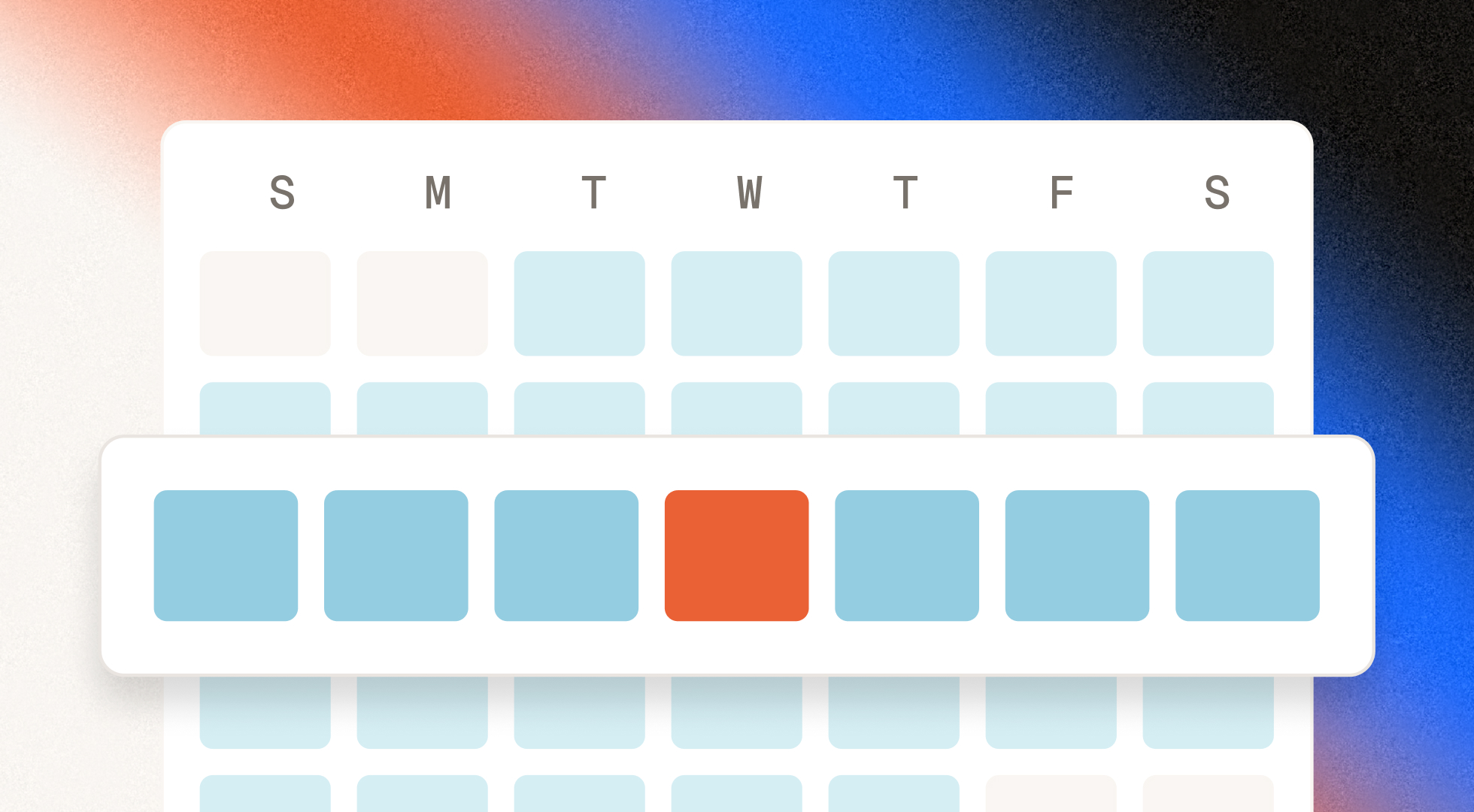
Across all marketing channels analyzed, tons of latent value was observed during the post-treatment window (PTW). Here are the quick hits:
- Total efficiency improved by more than 75% when including the latent impact from BFCM. For example, if a brand saw a $1 iROAS before BFCM, it increased to $1.75 during the post-treatment window.
- For experiments that started prior to BFCM and tracked the PTW lag effect into BFCM, 41% of the incremental value of media showed up in the post-treatment window.
- In 44% of experiments, efficiency doubled (or better!) when measuring the BFCM lag.
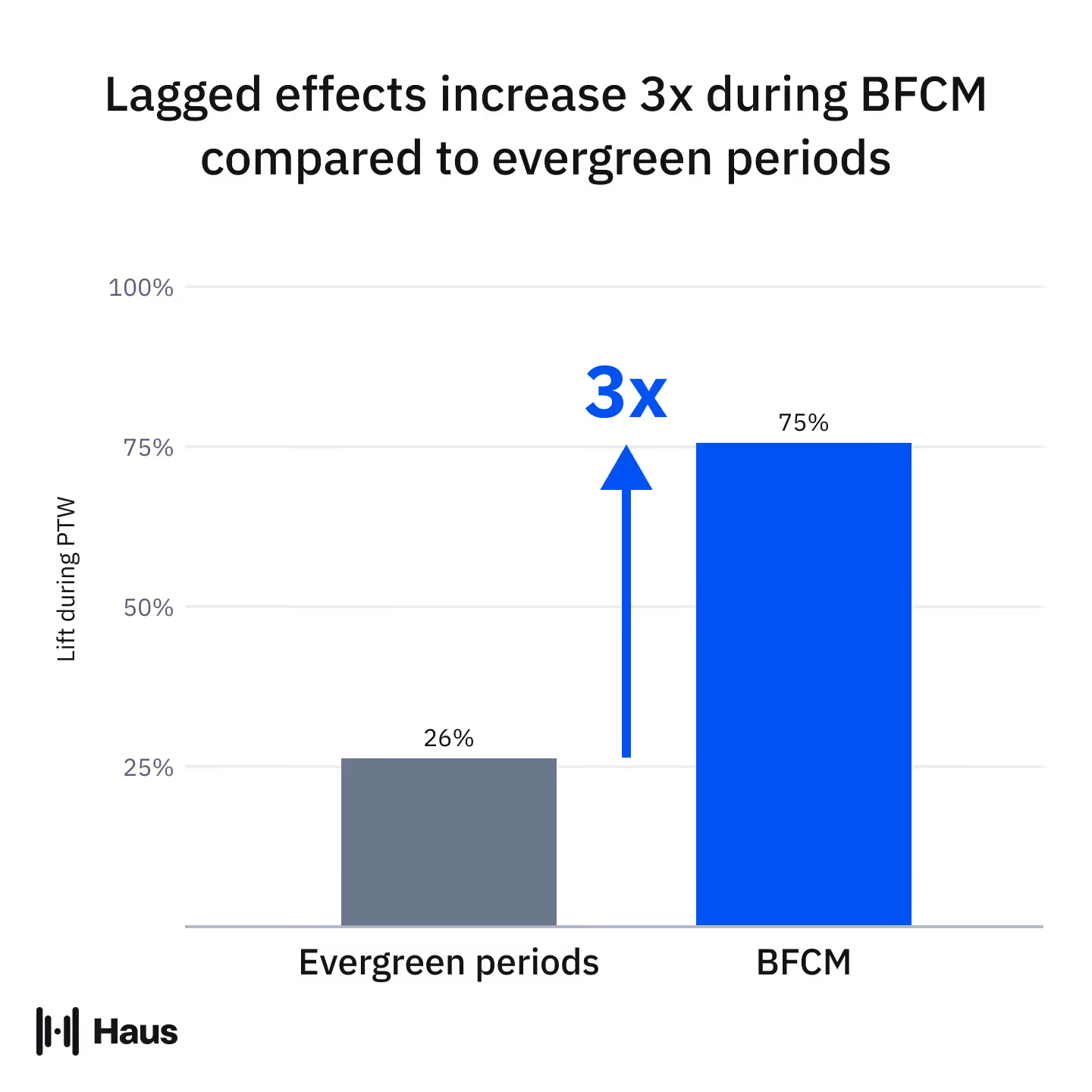
- Delayed effects of advertising during BFCM are nearly triple as much compared to evergreen PTWs throughout the year. Outside of BFCM, the delayed lift during the PTW for these same brands added only 26% more incremental value, meaning the delayed effects of advertising are especially significant around BFCM.
- Overall, spend before BFCM – including spend from previous months before November – continued to generate conversions well into November. In other words, if a brand cuts spend based on Day 1 ROAS, they’re cutting the revenue that materializes on Day 30.
.avif)
Priming the pump early (sometimes very early) can pay off
Thirteen of the experiments analyzed in this flash analysis had the treatment end at least three weeks before BFCM – some as early as mid-October. For this set of brands, the PTW lift was actually slightly higher than the experiments that ran closer to Cyber 5 (+105% compared to +75%).
A critical takeaway for CMOs, CFOs, and finance teams: Holding back on budget costs your business ahead of BFCM. You aren’t saving dry powder – you’re actually digging a deeper hole that your November spend has to fill before it can generate growth.
Across marketing channels, CTV and YouTube are breakout stars when it comes to delayed incremental business impact from pre-BFCM spend
From OTT/CTV to YouTube, Meta, TikTok, and beyond – here’s what we learned from platform-specific deep dives.
OTT/CTV
When it comes to OTT and CTV (that’s “over the top” and “connected TV” – essentially digital streaming video and smart TVs), the business impact observed during experiment post-treatment windows blew other advertising channels out of the water: The median improvement in efficiency with the post-treatment window was 344%.
.avif)
For most brands analyzed, there was very low lift before the PTW – CTV impressions were purely upper-funnel plays until the sale began. The brands with the strongest payback extended spend through Cyber Monday to capture the ROI of early November spend.
In the data we analyzed, we saw a popular consumer brand run a CTV test that saw an ROI increase of more than 23x (see below). A high AOV brand ran a CTV test with Vibe that achieved a 561% gain when factoring in the PTW — and even a lower price-point brand saw a 344% gain with a different OTT experiment.

YouTube Demand Gen
Similar to OTT and CTV, spend on YouTube appeared largely inefficient in real-time. But factoring in the PTW, YouTube Demand Gen spend ultimately generated the highest volume of delayed purchases across channels analyzed. The median improvement in efficiency with the post-treatment window was 163%, with some outlier brands pushing above 500% – even without image assets.
Meta + Mid-Funnel
Sometimes mistakenly dismissed as vanity metrics, the reality is that high-velocity traffic or view content objectives fill retargeting pixels ahead of BFCM – important for building the audience density ultimately required for BFCM conversion. For example, one apparel brand analyzed demonstrated a 896% latent gain, indicating their audience browsed heavily in early November and ultimately bought during the BFCM sale.
TikTok Prospecting
Few surprises here, but our analysis shows significant “save for later” behavior spurring delayed conversion. Consumers discover on TikTok in early November, save for later, and transact where they please during the BFCM deal window.
Two apparel brands analyzed saw 272% and 209% gains on TikTok prospecting, respectively, reinforcing TikTok as a discovery engine for apparel gifting during BFCM.
Fashion and apparel win big with early November “extreme cart-building”
Looking across verticals and categories, fashion + apparel dominate with “extreme cart-building.” Our test analysis consistently confirmed shoppers identified items in early November, then delayed transactions until the BFCM discounts hit.
On average, fashion and apparel brands saw a 93% average latent gain across our analysis. Outliers in the data included a high-AOV brand reaching a 5976% latent lift (not a typo) as well as more modest AOV brands observing 575% and 895% lifts, respectively.
The long and short of it: When it comes to apparel, both high price-point and low price-point brands benefit from early November cart-building behavior. Weaker categories included health + wellness and food + beverage, suggesting that consumers may be waiting until January for “new year, new me” type purchases.
How brands can act on these findings
We get it: Analysis of things that just happened often feels kinda interesting, but not always super actionable. But we disagree — here’s how you can take this data and not only learn from it, but use it:
- Apply these learnings to other big promotional periods. BFCM may be once a year, but other promotional and seasonal sales happen throughout the year. The learnings here have broad transferability, especially around lead-up time and filling the funnel.
- When it comes to BFCM, do not optimize on real-time ROAS. Pausing upper-funnel video and social campaigns in early November (or even earlier, in some cases) based on low-efficiency reads creates a false negative. Some of the high-AOV brands analyzed would have left 60-80% of total revenue captured on the table had they cut spend early.
- Apply the Haus “lag multiplier” to evaluate performance. Haus can help brands apply a multiplier to real-time ROAS to estimate true Cyber Week – or other promotional period – impact.
- Get strategic about your category and consumer behavior. Think about where your offering sits in the consumer buying cycle. Are you offering a save-for-when-the-price-is-right product? Something giftable? Something wellness-oriented? Roadmap accordingly.
- Test for yourself. As always, every brand is different. We mention outliers in this piece for a reason – not every brand or product type follows the same pattern. There’s only one way to know what’s causing business impact, and it’s through testing.
With that, we’re off for more holiday shopping. ‘Tis the season.
Subscribe to our newsletter
Article authors

Ike is a Measurement Strategy Lead at Haus, a role he’s held since 2024. Before joining Haus, he spent seven years in paid media — first agency-side running performance campaigns for enterprise clients, then leading acquisition in-house at Huckberry, the men’s lifestyle and apparel brand.

Chandler is a Measurement Strategy Team Lead at Haus, consulting brands like Alo, Buck Mason, and StockX on how to drive incrementality in their marketing programs. He has worked brand-side at companies like Magic Spoon, Thuma, and Ten Thousand, driving growth & retention across DTC, Amazon, and retail.


.jpg)
.png)







.avif)
.avif)

.avif)
.avif)
.avif)
.avif)
.avif)


.avif)
.avif)

.avif)
.avif)
.avif)
.avif)
.png)
.avif)


.avif)
.avif)
.avif)
.avif)
.avif)
.avif)

.avif)

.avif)

.avif)

.avif)
.avif)
.avif)
.avif)
.avif)

.avif)
.avif)
.avif)
.avif)

.avif)
.avif)
.avif)
.avif)

.avif)
.avif)
.avif)
.avif)

.avif)

.png)
.avif)


.avif)
.avif)
.avif)
.avif)
.avif)
.avif)
.avif)
.avif)
.avif)