Incrementality School, E4: Who Needs Incrementality Testing?
As brands' marketing strategies grow in complexity, incrementality testing becomes increasingly consequential.

Nov 14, 2024

If you couldn’t tell, we’re pretty big fans of incrementality over here at Haus (it’s what we do). But does every business need to invest in it? And when is the right time for a brand to start incrementality testing?
The answer ultimately comes down to where a company is in its growth marketing journey. In this installment of Incrementality School, we’ll walk through a few scenarios to show how incrementality becomes increasingly important as a business grows and marketing strategy becomes more complex.
Bring in the noise, bring in the incrementality
Incrementality testing can be critical to understanding what drives your business, but whether you need it depends on your company’s maturity level. Here, “maturity” isn’t about how old you are or your sudden need for reading glasses — it refers to the complexity of your business’ sales and advertising strategy. To assess a brand’s level of maturity, you want to consider ad spend, ad platforms, and sales channels.

For smaller, less mature companies, you might only be advertising on one or two platforms, making it relatively straightforward to see what’s working. But as your business grows, you may want to fuel that growth by investing more in advertising, diversifying your ad spend across multiple platforms, and expanding your retail presence. These additional dimensions make it murkier to tell what’s working and what isn’t.
Think about it in terms of music. Imagine an up-and-coming business as a singer with an acoustic guitar. With only one person performing, every note is crystal clear. If they miss a beat, strum the wrong chord, or are out of tune, it’s relatively easy to notice. This is like advertising at an early-stage company: You can see how your marketing dollars are generally working because there’s very little 'noise' in the mix. But as your business grows and you add more platforms, channels, and ad spend, your simple solo set evolves into a complex symphony orchestra. Now, there’s a lot of noise. With so many instruments and layers of melodies, harmonies, and rhythms — it becomes much harder to tell if someone misses a note, is off-key, or is even playing at all.
Incrementality testing helps you identify which parts of your marketing orchestra are actually contributing to your growth. With consistent incrementality testing, you can continuously fine-tune your advertising strategy as it grows, making sure every instrument is adding value instead of just adding noise.
So… are you ready for it?
Now that you have a feel for why incrementality tests add value as your business grows, here’s how to think about whether incrementality testing makes sense for your business:
- You’re spending millions of dollars on media annually and are concerned that your ad dollars aren’t going as far as they should.
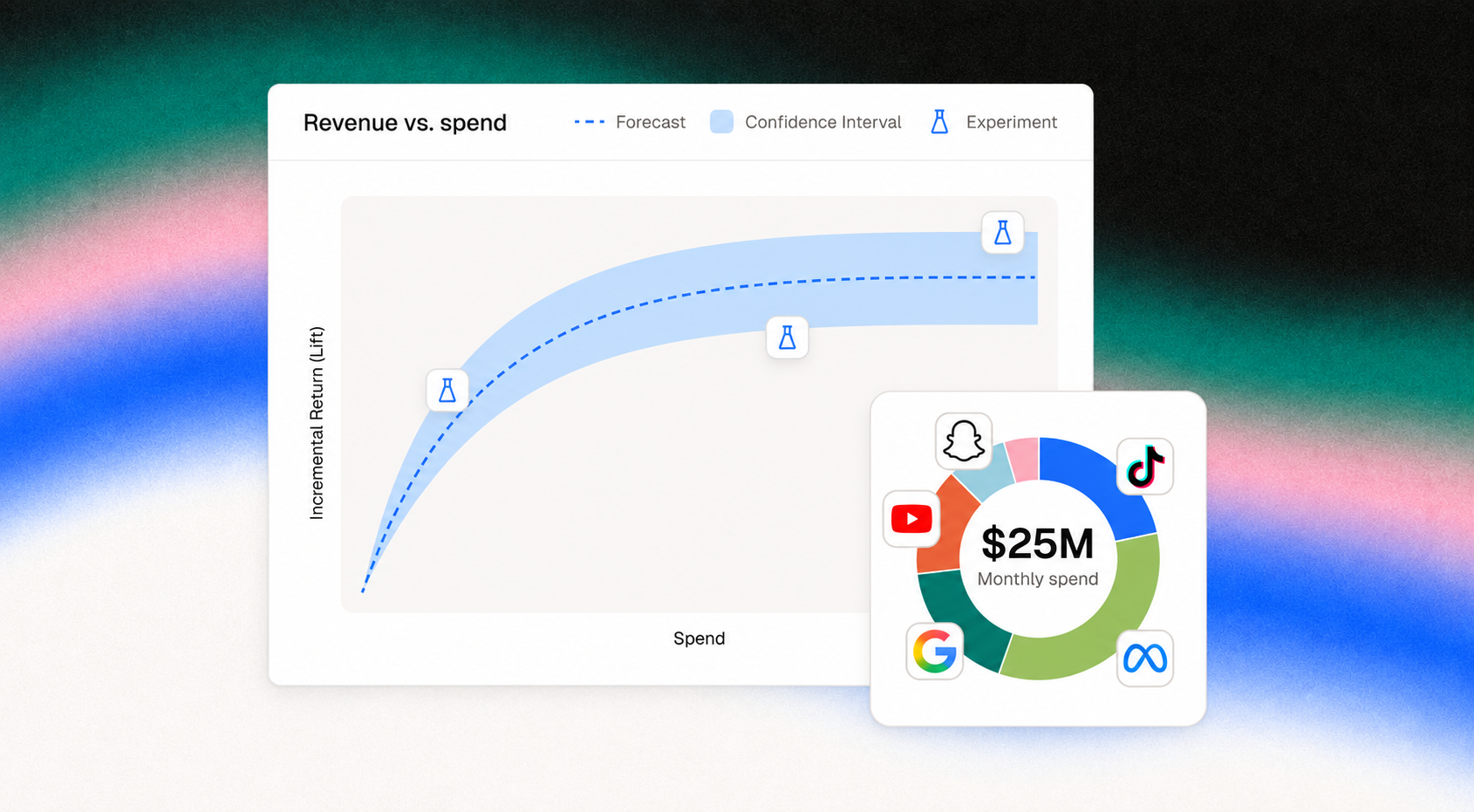
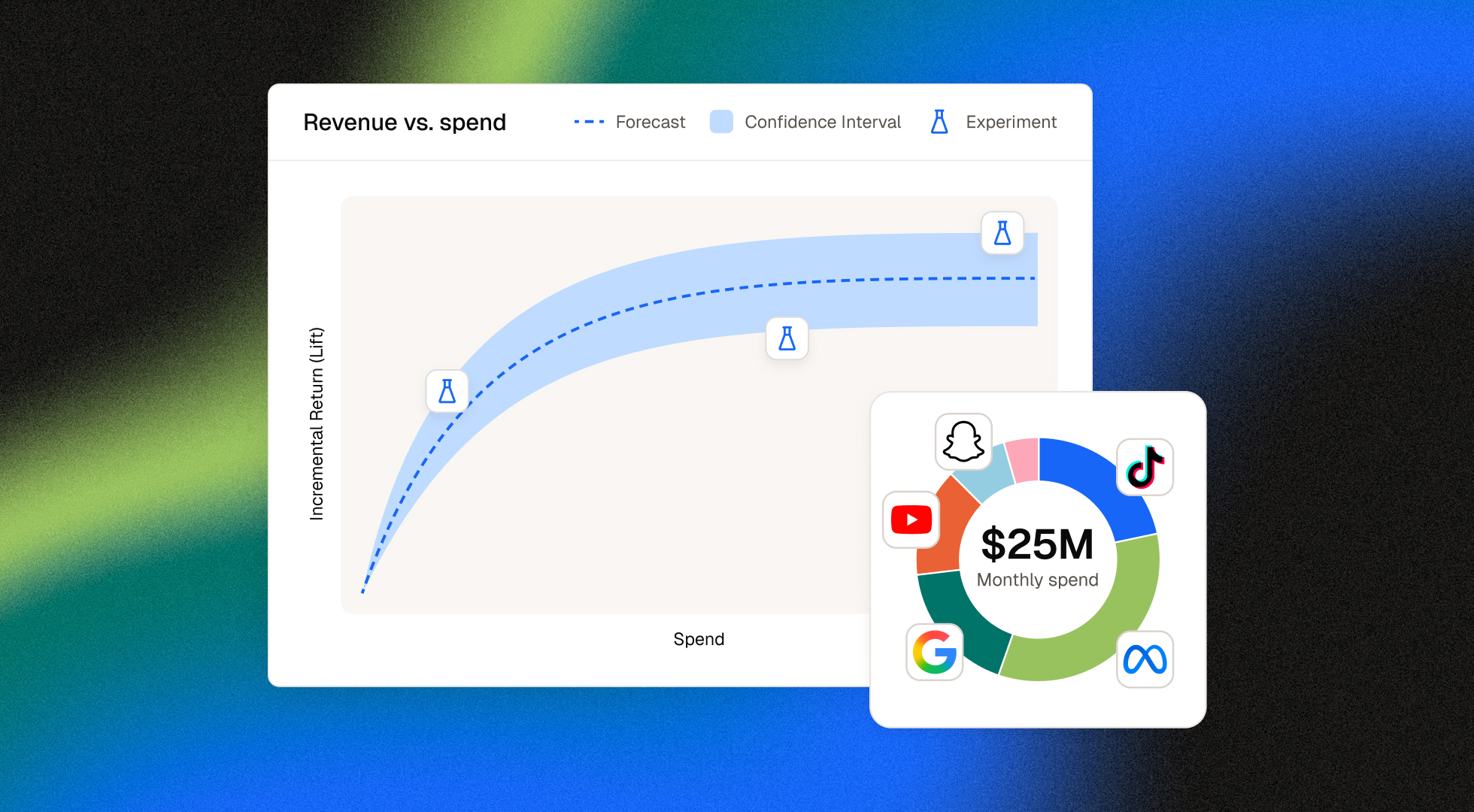
- You’re advertising on multiple ad platforms (Meta, Google, YouTube, TikTok, CTV, Pinterest, etc.), and you aren’t spending the majority of your budget on one channel, so it makes it harder to understand what is actually driving sales.
- You’re selling in/on multiple channels (e-commerce, Amazon, retail), and you’re unsure what tactics are driving customers to purchase.
If you checked these boxes, you’re likely in a good place to embrace incrementality testing to clarify what’s driving growth — and reallocate budget to incrementally profitable marketing levers.
Tyler Horner, Haus' Head of Solutions Consulting, stresses:
Regardless of where you are in the maturity journey, experiments are the one solution which will give the unbiased, incremental impact of your marketing – no matter what you are selling or where you are selling it – all while playing nice with other measurement solutions.
Incrementality testing helps you focus on the parts of your marketing strategy that are truly driving growth. As marketing efforts expand, it can be challenging to tell what’s working and what’s creating interference — by understanding what’s causing sales or conversions with incrementality experiments, you can ensure each marketing investment hits the right note.
Frequently Asked Questions
When is the right time for a brand to start testing?
The right time depends on where a company is in its growth marketing journey and its level of maturity. As discussed in Incrementality School, maturity in this context refers to the complexity of a business's advertising strategy, including its ad spend, the number of platforms used, and its sales channels.
Why do growing businesses need to measure incrementality?
As a business expands its ad spend across multiple platforms and retail channels, it becomes much harder to determine which efforts are actually working. While a small company with one or two ad platforms has a clear view of its marketing performance, a growing business creates more noise, making it difficult to see what truly drives growth without testing.
What are the signs that a company is ready to test?
A brand is likely ready to embrace incrementality testing if it spends millions of dollars on media each year and worries about the efficiency of those ad dollars. Other indicators include advertising across various platforms without a single channel dominating the budget, as well as selling through multiple avenues such as e-commerce, Amazon, and physical retail.
What is the main benefit of running these experiments?
Experiments provide an unbiased view of the incremental impact of your marketing efforts, regardless of what you sell or where you sell it. By understanding exactly what causes sales or conversions, brands can continuously fine-tune their strategies and reallocate their budgets to the most profitable marketing levers.



.jpg)

.png)









.avif)
.avif)

.avif)

.avif)

.avif)
.avif)
.avif)


.avif)


.avif)


.avif)
.avif)
.avif)
.avif)
.png)
.png)
.avif)


.avif)
.avif)
.avif)
.avif)
.avif)
.avif)

.avif)

.avif)

.avif)

.avif)
.avif)
.avif)
.avif)
.avif)


.avif)
.avif)

.avif)
.avif)

.avif)
.avif)
.avif)

.avif)

.avif)
.avif)
.avif)
.avif)

.avif)


.png)
.avif)



.avif)
.avif)
.avif)

.avif)
.avif)
.avif)
.avif)
.avif)
.avif)